 0
0
 0
0
Key Highlights
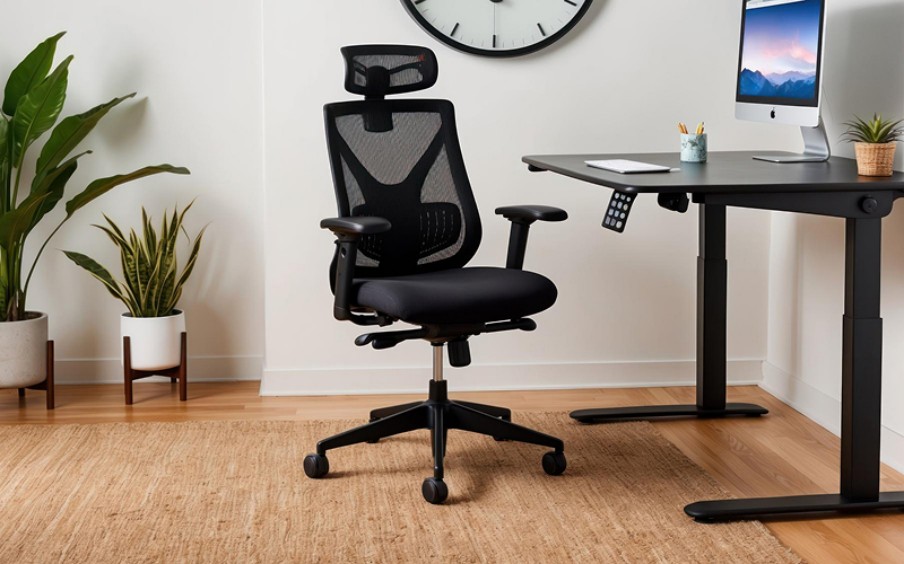
- The ‘Showroom Effect’ is a psychological phenomenon where an idealised display environment affects your perception of comfort and quality, masking issues that appear during prolonged use.
- Showroom lighting, temperature, and atmosphere create an artificial, low-stress scenario that differs significantly from your actual working environment in Singapore.
- A quick trial site prioritises immediate, superficial comfort (e.g., cushioning) over essential long-term ergonomic features (e.g., lumbar and neck support).
- Understanding the difference between a furniture showroom experience and daily life is crucial for choosing the right long-term office chair solution.
Introduction
The search for the perfect office chair in Singapore often culminates in a visit to a spacious furniture showroom. Here, amidst polished floors and artful lighting, you are encouraged to try out a range of seating options, experiencing each one for a few fleeting moments. This hands-on opportunity feels vital; after all, how can you commit to a chair you’ll spend hours in without sitting in it first? Yet, what most people fail to realise is that the very act of sitting in a showroom changes your perception of the product, subtly diverting your attention from the long-term ergonomic demands of your office life. The purchase you make in this idealised environment is frequently not the chair you would choose in the neutral, high-pressure setting of your own home office or commercial workspace.
The Illusion of Immediate Comfort
The psychological phenomenon known as the ‘Showroom Effect’ plays a significant role in this altered perception. A well-designed furniture showroom is crafted to be aesthetically pleasing and stress-free. The ambient temperature is controlled, the lighting is flattering, and the entire atmosphere is one of leisure and consideration. When you sit in an office chair for a minute or two, your brain registers immediate, superficial comfort—the softness of the seat cushion, the smoothness of the armrests, or the appealing colour. This instantaneous positive feeling overrides the critical, objective assessment required for a piece of equipment intended for sustained use.
You are not sitting as you would at your desk, engrossed in a spreadsheet or typing up a report; you are sitting as a relaxed customer, actively seeking out pleasure. This is a fundamentally different physical and mental state. An exceptional office chair is not defined by its plushness on first contact, but by its ability to maintain spinal alignment and support healthy posture for eight or more hours a day, a metric impossible to truly gauge from a fleeting moment in a showroom.
The Omission of Ergonomic Scrutiny
The brief showroom experience is particularly detrimental when it comes to assessing genuine ergonomic quality. Many buyers focus on simple features—does it recline, does it look good with the existing furniture? True ergonomic superiority, however, lies in the granular details: the depth and height adjustment of the lumbar support, the precise angling capabilities of the headrest, and the synchronised tilt mechanisms that allow the chair to move with your body. In the rush of the showroom, most people make a few cursory adjustments and move on.
A chair’s long-term value is tied to its tailorability. If you’re purchasing a premium office chair in Singapore, you are investing in sophisticated engineering designed to prevent back and neck pain. These mechanical subtleties require patience to test properly. In the showroom, the buyer’s focus shifts from ‘how well does this support my cervical spine over four hours?’ to ‘how quickly can I make a decision so I can move on?’. This inherent pressure leads to less-than-thorough scrutiny of the complex mechanisms that truly define a high-quality, non-commodity ergonomic seat.
Aesthetics vs. Endurance: The Visual Bias
Furthermore, the showroom environment magnifies the importance of aesthetics. Surrounded by visually appealing displays, the visual design of the office chair takes centre stage. The luxurious leather finish or the eye-catching modern silhouette may subconsciously outweigh concerns about the chair’s fundamental support structure. This is often exacerbated in a competitive market like Singapore, where the desire for high-end aesthetics in office furniture is strong
While a chair should certainly fit the décor, prioritising form over function is the most common mistake made in a furniture showroom. The long-term cost of a poorly chosen chair is not merely financial—it is measured in discomfort, poor productivity, and potential health issues. The visual presentation is immediate and impactful, while the ergonomic payoff is gradual and requires foresight. Mitigating the ‘Showroom Effect’ requires a conscious effort to de-prioritise what the eye sees and focus on what the body feels under simulated working conditions. Buyers should always ask about trial periods or extended warranties that attest to the manufacturer’s confidence in the chair’s enduring comfort and quality, going beyond the quick check in the furniture showroom.
Conclusion
To make an informed purchase in a furniture showroom, treat the experience as a technical test, not a leisurely lounge. Bring along your essential work items—a laptop or tablet—to simulate the action of typing and reaching. Spend at least five to ten minutes in a chair, not just one, and ask the sales staff to walk you through *every* adjustable feature. Crucially, try to ignore the attractive setting and focus solely on the chair’s relationship with your body. By isolating the product from its appealing retail surroundings, you stand a much better chance of finding a lasting and supportive office chair that truly meets the demands of your working life in Singapore.
Discover the ergonomic difference that lasts long after you leave the showroom. Contact us at TheFurniture today about finding the right office chair for your ergonomic needs.


