 0
0
 0
0
Walk into any contemporary home, office, hotel, or retail space, and one element quietly shapes the entire visual experience, the false ceiling. While often appreciated for its appearance, a false ceiling serves purposes that extend far beyond aesthetics. It helps conceal wiring, improves acoustics, supports lighting systems, and contributes to thermal efficiency.
However, the long-term performance of a false ceiling depends on much more than design. Material quality, installation methods, structural support, and finishing systems all influence whether a ceiling remains stable and attractive for years. This is why choosing the best material for false ceiling applications has become one of the most important decisions in modern construction projects.
A well-designed ceiling is not merely an architectural feature. It is a functional system that must withstand environmental changes, structural movement, and daily wear while maintaining its appearance over time.
The Evolution of Ceiling Construction
False ceilings were once considered luxury additions reserved for premium commercial spaces and upscale residences. Today, they have become a standard feature across a wide range of projects due to their versatility and practical benefits.
As architectural trends evolved, ceilings transformed from simple flat surfaces into design elements capable of defining the character of an entire room. Layered designs, recessed lighting, acoustic panels, and decorative patterns have increased the complexity of ceiling systems.
Builders now focus on creating ceiling structures that combine visual appeal with structural reliability. Achieving this balance requires careful planning and attention to every component within the system.
Material Selection Shapes Long-Term Performance
The foundation of a durable false ceiling begins with material selection. Different materials offer varying levels of strength, moisture resistance, fire performance, and ease of installation. The choice depends largely on the environment where the ceiling will be installed. Residential interiors may prioritize aesthetics and smooth finishes, while commercial spaces often require higher durability and acoustic performance. In many projects, selecting the best material for false ceiling applications is essential to achieving the desired balance between appearance, strength, and long-term reliability.
This is why experienced contractors spend considerable time evaluating project conditions before selecting materials. Choosing the right solution at the beginning often prevents expensive repairs and maintenance challenges later.
Structural Stability Begins Behind the Surface
Many people focus on the visible portion of a ceiling while overlooking the support system hidden above it. Yet, the framework is one of the most critical elements influencing durability.
A false ceiling depends on a network of channels, fasteners, suspension systems, and connectors that distribute weight evenly across the structure. If any part of this framework is weak, the entire ceiling may become unstable over time.
Even minor installation inconsistencies can create alignment problems or stress concentrations that gradually weaken the system. Proper structural planning ensures that the ceiling can safely support lighting fixtures, decorative elements, and mechanical installations without excessive strain.
The Importance of High-Quality Fasteners
Among the smallest components in a ceiling system are some of the most important. Fasteners are responsible for holding the entire structure together and maintaining stability under various conditions.
Low-quality fastening systems often become points of failure. Corrosion, loosening, and structural fatigue can gradually compromise the integrity of the ceiling. In contrast, properly selected false ceiling screws provide reliable support and help maintain alignment over extended periods.
Professional installers understand that durability is often determined by attention to these seemingly minor details. Strong materials alone cannot compensate for weak connections within the system.
Managing Moisture and Environmental Stress
Environmental conditions have a significant impact on ceiling performance. Humidity, temperature fluctuations, and moisture exposure can all affect how materials behave over time. In regions where seasonal weather changes are common, ceilings experience repeated expansion and contraction. Without proper material selection and installation techniques, these movements can result in cracks, joint separation, or visible surface irregularities.
Moisture is particularly challenging because it can weaken materials gradually while remaining hidden for long periods. Bathrooms, kitchens, and commercial facilities often require ceiling systems that provide enhanced resistance against moisture-related damage.
Modern construction practices focus heavily on moisture management because preventing water-related issues is far easier than repairing them after they occur. A ceiling designed with environmental conditions in mind will generally perform more consistently throughout its lifespan.
Coordinating Ceilings With Interior Finishes
A false ceiling rarely exists in isolation. It interacts visually and functionally with walls, flooring, lighting systems, and decorative finishes throughout the space.
Construction professionals increasingly adopt a systems-based approach where each component complements the others. Surface finishes, wall treatments, and flooring installations are planned together to ensure a cohesive result.
In projects where tiled surfaces play an important role, complementary installation solutions such as Trimurti tile chemical support reliable bonding and help maintain consistency across multiple finishing elements within the building.
Precision Installation Creates Better Results
Even the highest-quality materials cannot deliver optimal performance without proper installation. Skilled workmanship remains one of the most influential factors in ceiling durability.
Accurate measurements, level alignment, secure fastening, and proper spacing all contribute to structural reliability. Rushed installation often leads to uneven surfaces, visible joints, and long-term stability issues.
This precision is especially important in large commercial projects where even small inaccuracies can become highly visible across expansive ceiling surfaces. Attention to detail during installation helps ensure that the finished result performs as intended for many years.
Conclusion
False ceilings have evolved into sophisticated architectural systems that combine aesthetics, functionality, and structural performance. Their durability depends on a careful combination of material selection, framework design, fastening quality, environmental resistance, and skilled installation.
From choosing the material for false ceiling applications to ensuring reliable support through false ceiling screws, every decision influences the lifespan of the finished structure. Attention to these details helps create ceilings that remain stable, attractive, and efficient for years.
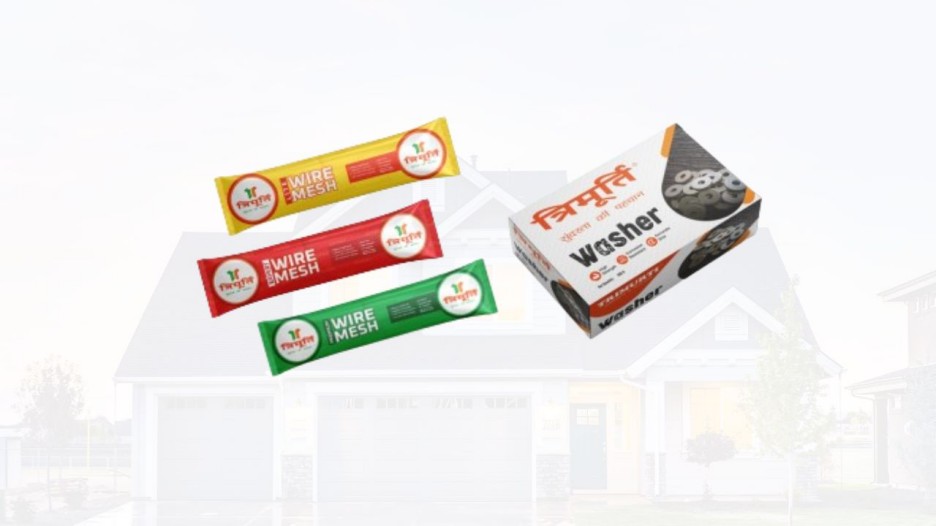
As modern construction continues to advance, organizations such as Trimurti Products contribute to higher building standards by supporting professionals with solutions designed for long-term performance and dependable project outcomes.


