 0
0
 0
0
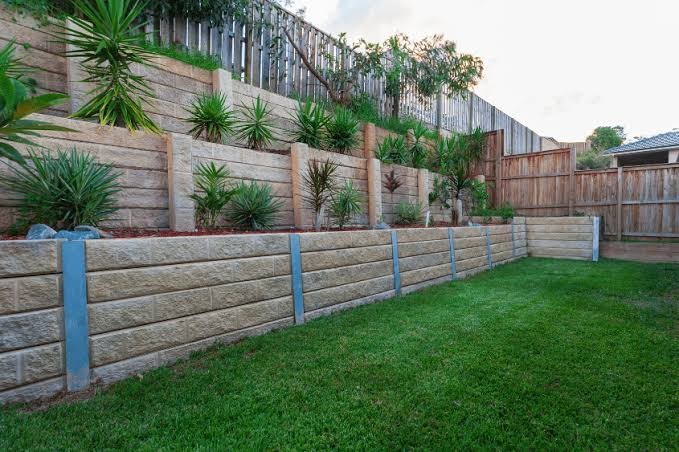
Retaining walls can be found in various properties across Australia as they are very common for sloped land. These assist in holding the soil and preventing it from washing away; also creates flat areas outdoors. Retaining walls are included in a practical and attractive layout when homeowners investing in landscape design in Doncaster.
But when a retaining wall is built on the property line, it creates an important question who has to maintain that.
Confirming the Purpose of a Retaining Wall
Retaining walls are used to hold soil when two properties have different levels of ground. A retaining wall, unlike a fence, is not for marking a boundary.
Responsibility for the wall often turns on why it was built and what property benefits from it. It is sometimes simpler to establish who it belongs to, but other times requires professional advice.
Who is Usually Responsible?
In applications, the retaining wall is mainly the responsibility of the property owner who has change natural ground level.
For example:
The ground in a slope is supported by the dirt connected to the hill, therefore, if you excavate level an incline for your home lawn − you are normally accountable for supporting this land.
Typically, when a homeowner puts in fill and increases the level of his/her land, it is the homeowner who must retain that fill.
These principles are generally applicable throughout Australia, but each of the states and councils have slightly different regulations.
The Importance of Property History
In some cases, a retaining wall was very old and responsibility vaguer. Past owners might have changed the land without recording it.
This is the reason why any major earthworks or construction of a retaining wall by people who are designing landscaping Doncaster should be kept documented. Good records help avoid disputes down the line.
In the event of doubt, responsibility for resolving an issue may fall to a land surveyor, engineer, or property lawyer.
When Responsibility May Be Shared?
You might even have a situation, where you only have one neighbouring wall and both parties are responsible for its upkeep together. This is more likely when:
- The wall benefits both properties.
- The wall is right on the boundary.
- Shared maintenance is required by local council regulations.
Most of the time, neighbours can avoid disputes by openly communicating which can help ensure fair resolution related to repairs.
So, What If the Wall Stops Working?
A retaining wall which is failing causes major issues. Movement of that soil can result in damage to gardens, driveways, fences, and even building foundations.
Common warning signs include:
- Leaning sections
- Cracks in the wall
- Water pooling behind the structure
- Soil erosion
- Bulging surfaces
Many professionals working in landscape design in Doncaster recommend regular inspections to identify problems before they lead to costly repairs.
Check Local Council Requirements
In Australia, guidelines for retaining walls are oftentimes ripe with variety. Check with your local council disclosures before executing repairs and constructing a new one.
Councils may have rules regarding:
- Height restrictions
- Engineering approvals
- Drainage requirements
- Building permits
- Boundary setbacks
Understanding these requirements saves time, money, and potential litigation.
Final Thoughts
This will usually be determined based on who changed the natural ground levels and created that need for a structure. Nevertheless, each property is unique, individual property laws may have an impact on the results.
That is the first step in any boundary dispute and if you are to convince your neighbour to proceed with a new landscaping in Doncaster project, then it is important for you to know where you stand. By consulting a professional early on, you can safeguard your land and retain the safety, function, and compliance of your retaining wall for years to come.


