 0
0
 0
0
Singapore’s housing market has long been shaped by location and infrastructure. Yet as the city evolves, a new consideration is quietly rising in importance: neighbourhood resilience. This refers to a district’s ability to remain relevant, functional, and liveable over time—despite economic cycles, demographic shifts, or changing lifestyle trends.
Neighbourhood resilience isn’t glamorous. It doesn’t rely on flashy new developments or headline-grabbing launches. Instead, it is built through stability, adaptability, and a strong foundation of everyday amenities.
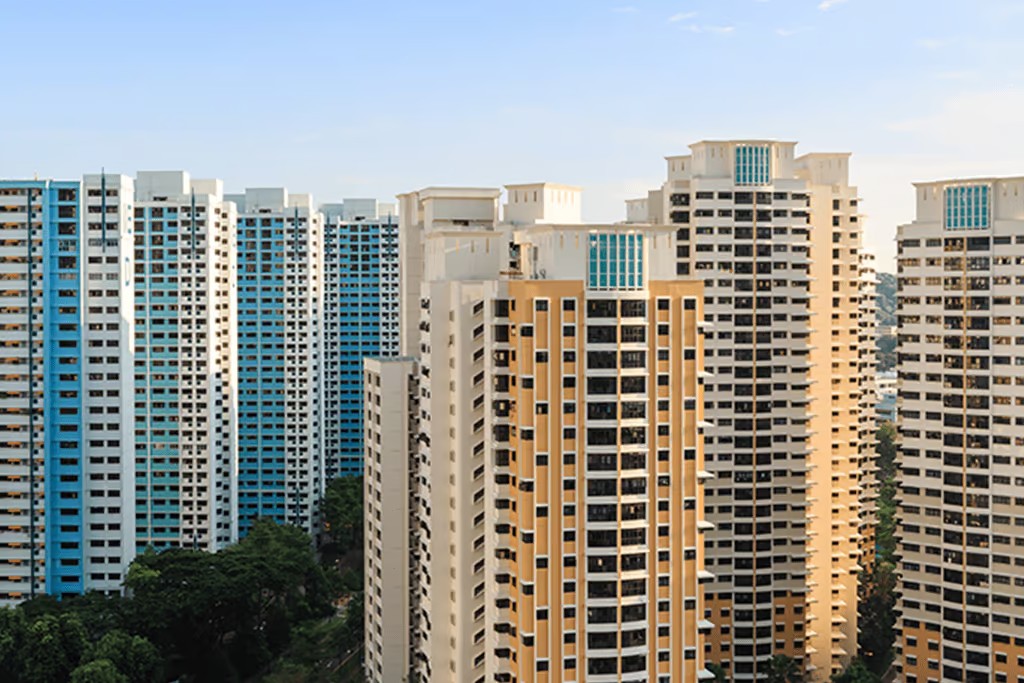
What Makes a Neighbourhood Resilient?
A resilient neighbourhood offers a combination of established amenities, good connectivity, strong community support, and practical liveability. These are the factors that keep a district functioning well even when market conditions change.
In Singapore, mature districts often score highly on resilience because they have already developed the infrastructure and social ecosystem that new districts may take years to build.
Everyday Amenities as Resilience Factors
Resilience is supported by everyday amenities that residents rely on regularly. These include supermarkets, clinics, schools, parks, and transport access.
A neighbourhood with a complete ecosystem of amenities is less vulnerable to market shifts because it remains attractive to a broad range of residents. Families, professionals, and older residents all value practicality and convenience, making resilient districts consistently desirable.
Developments like Hudson Place Residences are situated in areas where daily amenities are already well-established.
Connectivity and the Ability to Adapt
Connectivity is another key component of resilience. Neighbourhoods with strong transport links can adapt to changes in work patterns and lifestyle needs more easily.
Even if work patterns evolve, residents can still access employment centres, amenities, and leisure options without disruption. This flexibility supports long-term living and contributes to a neighbourhood’s sustained relevance.
Social Infrastructure and Community Support
Social infrastructure—such as community clubs, parks, and local meeting spaces—also supports resilience. These spaces create social cohesion and reduce isolation, especially in high-density environments.
A neighbourhood with strong social infrastructure tends to foster community engagement and mutual support, which contributes to long-term stability. Residents are more likely to stay in areas where they feel connected and supported.
The Value of Mature Districts in Resilience
Mature districts often have the most resilient neighbourhoods because they have already gone through multiple cycles of change. They have established networks, proven infrastructure, and stable community support.
Dunearn House is located within a mature district where this resilience is evident. The area benefits from established amenities and a stable living environment, which contributes to long-term desirability.
Resilience and Rental Demand
Neighbourhood resilience also influences rental demand. Tenants often prioritise locations where daily life is convenient and stable. A resilient neighbourhood offers this reliability, making it attractive to long-term tenants.
This stability can result in steadier rental income and lower vacancy risk, which is valuable for investors.
Long-Term Value Beyond Trends
Resilient neighbourhoods are less dependent on short-term trends. While new districts may attract attention with novelty, resilient districts maintain demand because they offer practical, everyday living benefits.
Over time, this consistency supports long-term residential value, making resilient neighbourhoods strategic choices for both homeowners and investors.
Conclusion
Neighbourhood resilience is emerging as a key consideration in Singapore’s property market. As lifestyles and work patterns evolve, residents are increasingly prioritising districts that remain functional, convenient, and liveable over time.
Developments such as Hudson Place Residences and Dunearn House are part of this broader narrative, where mature neighbourhood strength supports long-term residential value. In a market driven by change, resilience becomes the quiet but powerful factor that determines which neighbourhoods remain relevant and desirable.


