 0
0
 0
0
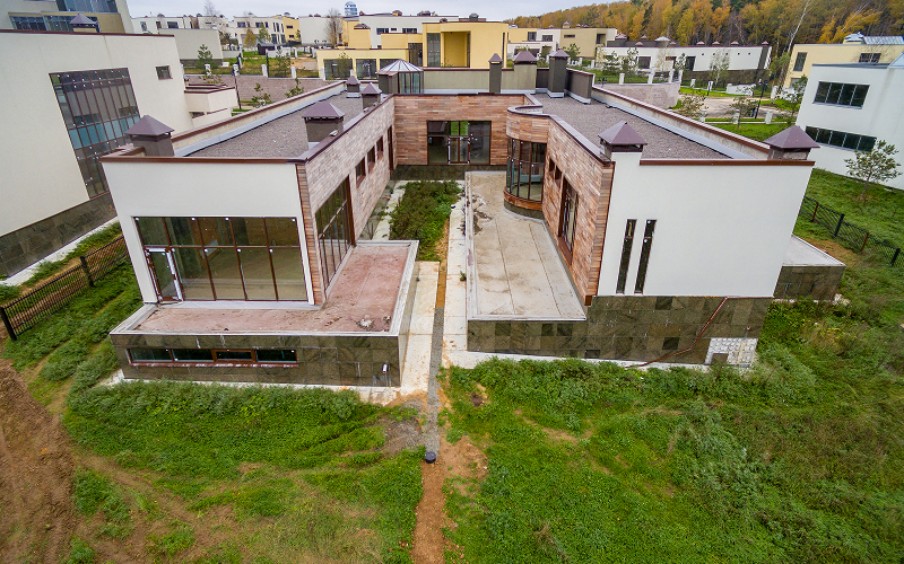
Renovating a landed home offers an exciting level of creative freedom, space flexibility, and long-term value. Yet it also introduces a unique set of decisions that require careful balancing. Homeowners exploring renovation options for larger properties or planning landed interior design projects in Singapore quickly learn that every choice has its trade-offs. Approaching these decisions with clarity can drastically improve outcomes.
Balancing Space Optimisation with Structural Limitations
One of the biggest advantages of landed homes is the generous floor area. However, these possibilities often run up against structural realities. When planning a renovation in Singapore, homeowners must weigh their ideal layout against existing load-bearing walls, stair placements, ceiling beams, and plumbing positions.
In landed interior design in Singapore, expanding common areas often requires adjustments to structural elements, which may increase both budget and approval timelines. Structural modifications demand official permits to ensure safety and compliance. While reconfigurations can dramatically improve space flow, they may also lengthen the project schedule and increase engineering fees.
Choosing Between Openness and Privacy
Open-concept layouts are popular in many renovation projects, especially for enhancing natural light and fostering interaction. However, for families living in landed properties, privacy becomes equally important.
Deciding to remove walls to create a spacious living-dining-kitchen flow helps improve ventilation, especially in Singapore’s warm climate. Yet this same openness may reduce quiet areas for work or study. In landed interior design in Singapore, designers often work with semi-open solutions such as glass partitions, partial walls, or sliding doors to balance this trade-off.
Weighing Custom Carpentry Against Future Flexibility
Carpentry is frequently a centrepiece in landed-home renovations. From feature walls to large wardrobes and vertical storage, custom-built elements provide visual cohesion and functional optimisation. However, they also lock you into specific layouts.
With renovation projects involving large homes, many owners opt for extensive carpentry to maximise efficiency. Yet fixed carpentry reduces the ability to rearrange furniture or repurpose rooms later. Families with growing children or changing work-from-home needs may find overly fixed designs limiting. A balanced approach might include built-in essentials combined with modular pieces that can evolve with lifestyle changes.
Balancing Aesthetic Ambition with Maintenance Reality
Larger homes invite more ambitious design concepts. While these elements transform a property visually, they also come with maintenance responsibilities. Homeowners exploring renovation services in Singapore often experience unexpected upkeep demands months after the project is complete.
Design upkeep influences long-term satisfaction more than aesthetics alone. When planning interior design in Singapore, the trade-off becomes weighing visually striking elements against daily care needs.
Managing Cost Versus Long-Term Performance
Larger properties naturally come with larger renovation scopes. Flooring, electrical rewiring, plumbing, roofing, and carpentry all scale with home size. Cross-referencing design dreams with budget realities often becomes a defining moment during landed-home planning.
In renovation projects in Singapore, opting for lower-cost materials may seem appealing initially. Landed homes usually experience heavier usage due to the number of occupants and larger spaces. A practical approach is to invest in foundational elements while using simpler materials for non-essential features. This ensures durability without unnecessarily inflating costs.
Navigating Design Aspirations with Regulatory Approvals
Landed homes in Singapore must follow regulations on façade changes, structural modifications, extensions, roofing, and drainage. These rules protect neighbourhood integrity and safety. During renovation planning in Singapore, homeowners sometimes overlook the need for permits, expecting quick execution. However, approvals can significantly influence timelines.
In landed interior design in Singapore, compliance with the Urban Redevelopment Authority (URA) and BCA guidelines ensures the project proceeds smoothly. Ambitious exterior or structural alterations may require patience and professional coordination, but they ensure safe and legal completion.
Balancing Energy Efficiency With Upfront Cost
Energy-efficient design improves long-term savings. Yet these can increase initial renovation costs. Many renovations face the decision of whether to prioritise sustainability upgrades now or phase them over several years. Ventilation strategies, window choices, and smart appliances all influence comfort levels significantly.
For landed interior design in Singapore, the trade-off is weighing eco-friendly investments against immediate renovation budgets. The long-term benefits often justify the cost. Homeowners may need to stage upgrades based on financial plans.
Conclusion
Renovating a landed property involves balancing freedom with responsibility, ambition with practicality, and long-term value with present-day needs. Whether exploring renovation in Singapore or mapping your landed interior design goals, understanding these trade-offs helps you make choices rooted in clarity rather than impulse. By evaluating structure, privacy, carpentry, aesthetics, cost, regulations, and sustainability, homeowners can approach landed renovation with confidence. When trade-offs are recognised early, the final result becomes a home that is beautiful, functional, and genuinely suited to the people living in it.
Wonder how your landed layout could evolve? Reach out to Carpenters and let that guide the choices you make today.


