 0
0
 0
0
Key Takeaways
- Ambient lighting provides overall illumination for a room.
- Task lighting supports activities that require focused visibility.
- Accent lighting highlights decorative or architectural features.
- A layered lighting approach improves both functionality and appearance.
- Track light installation and wall light installation are effective ways to create balanced lighting throughout a space.
Introduction
Lighting affects how a room functions, feels, and appears. Relying on a single ceiling fixture often creates uneven illumination and limits flexibility. A more effective approach is to combine ambient, task, and accent lighting. Each layer serves a specific purpose, and together they create a practical and visually balanced environment. Whether designing a home, office, or commercial property, understanding how these lighting types work together can help achieve better results while improving comfort and usability. Strategic track light installation can further enhance this layered approach by providing flexible and targeted illumination where needed.
Ambient Lighting
Ambient lighting provides the general illumination needed for everyday activities. It is typically the first layer considered during a lighting design project because it establishes the overall brightness of a room. Common sources include ceiling-mounted fixtures, recessed lights, and pendant lights.
The goal of ambient lighting is to distribute light evenly throughout the space. A room that lacks sufficient ambient lighting may feel dark and uncomfortable, even when other lighting fixtures are present. When planned correctly, this layer creates a comfortable base that supports additional lighting elements without producing excessive glare or harsh shadows.
Task Lighting
Task lighting is designed to illuminate areas where specific activities take place. Reading, cooking, studying, grooming, and working often require more concentrated light than general room lighting can provide. Task lighting helps improve visibility and reduce eye strain during these activities.
Examples include desk lamps, under-cabinet kitchen lights, and vanity lights around bathroom mirrors. Placement is particularly important because poorly positioned fixtures can create shadows that interfere with the task being performed. By focusing light exactly where it is needed, task lighting improves both efficiency and comfort while complementing the ambient lighting already in place.
Accent Lighting
Accent lighting draws attention to specific features within a room. Its purpose is not to provide general illumination but to highlight focal points such as artwork, decorative walls, display shelves, or architectural details.
One of the most versatile solutions for accent lighting is track light installation. Track lighting allows individual fixtures to be directed towards selected areas, making it easy to emphasise different features without major changes to the lighting system. This flexibility makes track lighting popular in residential interiors, retail spaces, galleries, and showrooms. Properly used accent lighting adds depth and character while helping important design elements stand out.
Bringing the Three Layers Together
The most successful lighting schemes combine all three layers to create a balanced environment. Each layer performs a different function, but together they provide a more adaptable and comfortable space.
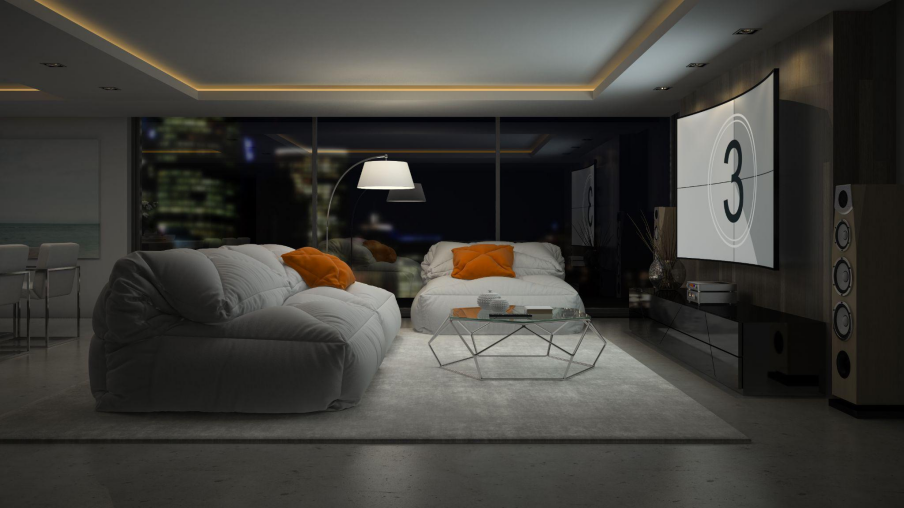
For example, a living room may use ceiling lights as ambient lighting, floor lamps for reading, and accent lighting to highlight artwork or shelving. In a kitchen, overhead lighting may provide general illumination while task lighting supports food preparation areas and accent lighting enhances design features. This layered approach ensures that lighting remains effective throughout different activities and times of day.
Wall light installation can contribute to this strategy in several ways. Depending on fixture design and placement, wall lights can supplement ambient lighting, provide focused task lighting, or act as accent lighting that highlights specific features. Their versatility allows them to fit naturally into a wide range of lighting plans.
Conclusion
Combining ambient, task, and accent lighting creates a space that is both functional and visually appealing. Ambient lighting establishes overall brightness, task lighting improves visibility for specific activities, and accent lighting enhances important design features. Through thoughtful track light and wall light installation, property owners can develop a layered lighting scheme that improves comfort, flexibility, and the overall effectiveness of a room. A balanced approach ensures that every area receives the right type of illumination for its intended purpose.
Planning a lighting upgrade for your home or commercial property? Contact 81 Electrical today.


