 0
0
 0
0
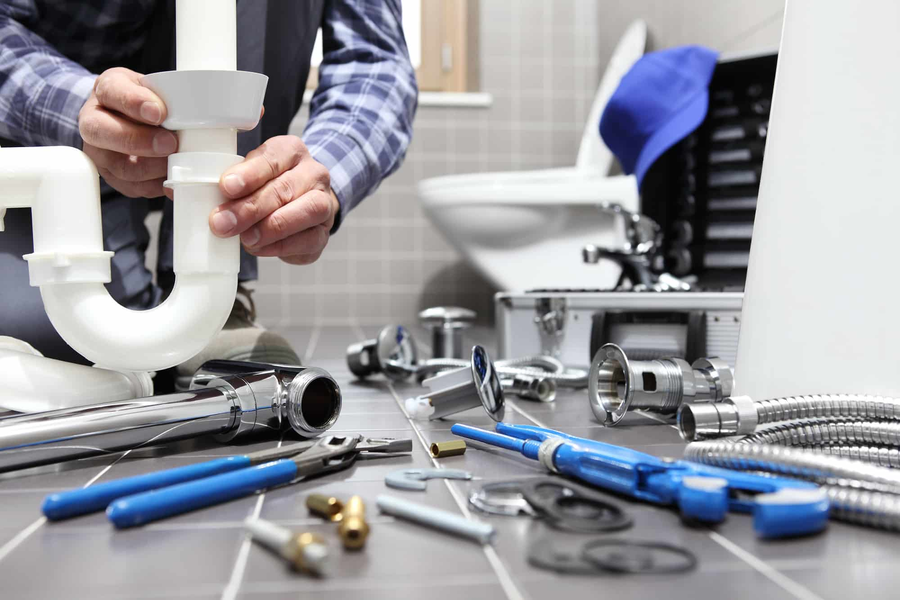
For any facility manager, property owner, or business operator, the internal infrastructure of a building is often treated with an “out of sight, out of mind” philosophy. When the water flows and the drains clear, the system is rarely a priority. However, the complex network of pipes, valves, and fixtures that keep a commercial space functional is under constant, invisible stress. From the high-pressure demands of food service environments to the rigorous usage patterns in office complexes, systems face wear that eventually leads to critical failures. Understanding the necessity of commercial plumbing contractors is the first step toward moving from a reactive crisis-management cycle to a proactive, cost-saving operational strategy.
The Reality of Wear in Commercial Environments
Unlike residential plumbing, which typically follows predictable, light-duty patterns, commercial systems are built to withstand heavy volume. Despite this robust design, they are not immune to the laws of entropy. High-traffic restrooms, communal kitchens, and industrial water heaters operate under intense pressure. Over time, the cumulative impact of daily usage, fluctuating water temperatures, and mineral accumulation within the pipes can lead to significant structural weaknesses.
A common oversight is the assumption that plumbing systems will notify the owner of a problem before it becomes a disaster. In reality, most internal pipe corrosion and joint fatigue occur silently. By the time a leak becomes visible—often through wall discoloration or warped floorboards—the structural damage is already substantial. Engaging with commercial plumbing contractors early in the process allows for a detailed assessment of these hidden variables, shifting the focus from emergency patching to long-term asset protection.
Why Routine Plumbing Repair Matters
There is a distinct difference between “patching a leak” and systemic plumbing repair. A reactive fix often addresses only the symptom—such as tightening a loose fitting or replacing a single segment of pipe—without addressing the underlying pressure issues or chemical imbalances that caused the failure in the first place.
Professional oversight ensures that repairs are performed with the entire system in mind. For example, if a main supply line shows signs of corrosion, an experienced technician will evaluate the surrounding plumbing to determine if the issue is localized or if the entire section of the facility’s infrastructure is nearing the end of its functional life. This holistic approach to plumbing repair prevents the “whack-a-mole” scenario where one fix immediately leads to another failure down the line. By maintaining consistent pressure and ensuring that valves are correctly calibrated, owners can significantly extend the lifespan of their plumbing infrastructure.
Addressing Hidden Vulnerabilities in Infrastructure
Modern diagnostic tools have revolutionized how professionals approach maintenance. Rather than guessing at the source of a systemic flow problem, high-definition camera scoping allows technicians to inspect the interior of sewage and water lines with extreme precision. This is particularly vital for older buildings where pipe materials, such as cast iron or galvanized steel, may be nearing their breaking point.
Furthermore, consider the impact of water quality. In regions where water is naturally hard, mineral scale accumulates on the inner walls of pipes, effectively narrowing the diameter and forcing pumps to work harder. This increases energy consumption and accelerates motor wear. Specialized maintenance services can address this through scheduled descaling, which preserves the integrity of the lines and optimizes the flow capacity of the system. Relying on professional commercial plumbing contractors for these diagnostic checks is not merely an expense; it is a calculated investment in the health of the building.
The Economic Argument for Proactive Maintenance
The financial implications of a sudden plumbing failure in a commercial space are rarely limited to the invoice for a plumber. A burst pipe in an office building or a main drain clog in a restaurant can lead to significant downtime, lost revenue, and substantial cleanup costs. Insurance premiums often rise following water-related claims, and the cost of property restoration—such as drying out subflooring or replacing drywall—can easily exceed the cost of the repair itself.
By establishing a recurring maintenance schedule, facility managers can forecast expenses more accurately. Preventive inspections allow for “planned” repairs, which can be scheduled during off-hours or low-occupancy periods. This minimizes operational disruption and prevents the premium costs associated with emergency after-hours service calls. When a facility consistently utilizes plumbing repair services on a preventive basis, the total cost of ownership for the building’s water system decreases, as the frequency of catastrophic failures is minimized.
Identifying Reliable Service Partners
When selecting a partner to manage complex building systems, technical capability and accountability are paramount. A reputable provider should possess deep knowledge of local building codes and industry-specific regulations, such as those governing grease interceptors in kitchens or backflow prevention in medical facilities.
Transparency is the hallmark of a high-quality service provider. This means providing clear documentation, including before-and-after footage of inspections, detailed reports on system pressures, and honest assessments of which components require immediate attention versus those that can wait until the next fiscal quarter. Beware of providers who insist on temporary, quick-fix solutions without explanation. True expertise is defined by a commitment to durability and structural stability.
Strategic Planning for Long-Term Functionality
Effective facility management requires looking toward the future. A comprehensive plumbing strategy involves more than just fixing what is broken; it involves mapping out the lifecycle of the building’s infrastructure. Every system has a “shelf life,” and having a clear understanding of when major components—like water softeners, boilers, or pump systems—are due for replacement is essential for capital budget planning.
Collaborating with commercial plumbing contractors provides a wealth of data that can inform these long-term decisions. For instance, if records show an increasing frequency of small, manageable issues in a specific wing of a building, that data provides the justification for a targeted infrastructure upgrade rather than continued maintenance of failing systems.
The goal of professional maintenance is to create a seamless environment where the plumbing system operates reliably, quietly, and efficiently in the background. It is about removing the risk of sudden interruption and ensuring that the workspace remains safe and productive. By prioritizing consistent plumbing repair and routine check-ups, stakeholders can protect their investment, safeguard their property, and maintain the operational excellence that their clients and staff expect.
As buildings continue to evolve and modern technologies for leak detection and flow management become more sophisticated, the gap between those who react to crises and those who plan for them will only widen. Choosing the path of proactive maintenance ensures that a facility is prepared for the demands of the future, rather than held hostage by the failures of the past.


