 0
0
 0
0
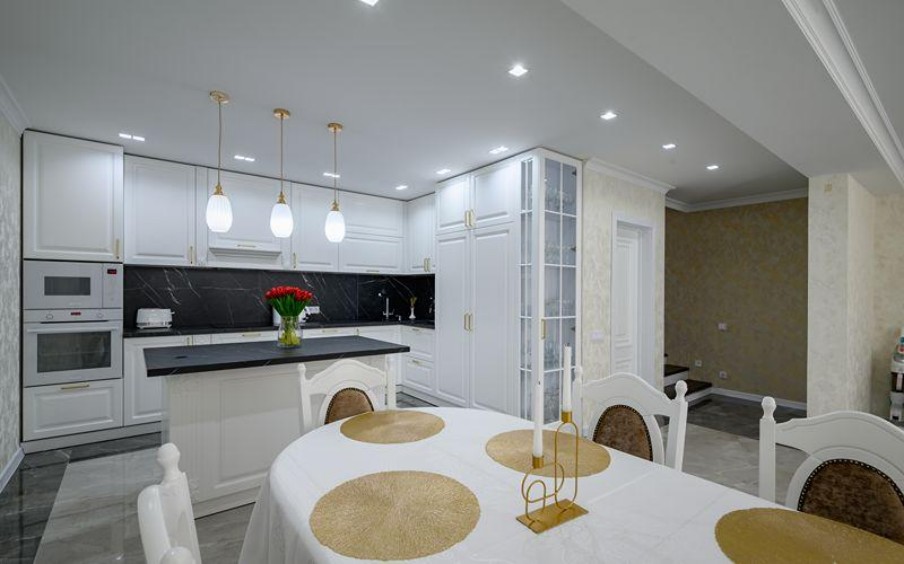
Lighting choices influence more than how a room looks. Lighting affects mood, visual comfort, and how people use a space. For homeowners and renovators, this often leads to a practical comparison between ceiling lights and ceiling downlights. It becomes easier to understand how these lighting types shape everyday living and why thoughtful selection matters.
How Lighting Shapes Perception of Space
Ceiling lights that distribute light broadly tend to make spaces feel more open and evenly balanced. This is why they are often used in living rooms and shared areas where general illumination is needed.
In contrast, ceiling downlights create zones of light and shadow. These zones can visually define areas within a room, making them useful for kitchens, corridors, or task-focused spaces. Rather than enlarging a room, downlights help organise it visually, guiding attention to specific areas.
How Visual Comfort Depends on Light Distribution
Ceiling lights are often associated with lower contrast, reducing harsh shadows and minimising eye strain during prolonged activities. This makes them suitable for spaces where people spend extended periods, such as dining or family areas.
On the other hand, ceiling downlights produce more directional lighting. This can improve visibility for specific tasks, such as food preparation or reading, when positioned correctly. However, poorly placed downlights may cause glare, which is linked to visual discomfort and fatigue. Placement, therefore, becomes as important as the fixture itself.
Linking Lighting to Mood and Behaviour
Lighting affects mood and behaviour. Broad, diffused light from ceiling lights is associated with relaxed social interaction and a sense of comfort. This is why such fixtures are often recommended for communal spaces.
Meanwhile, ceiling downlights are linked to focused behaviour. Directional lighting supports concentration and task performance. This explains their frequent use in workspaces and kitchens. The choice between these lighting types often reflects how a space is intended to be used rather than purely aesthetic preference.
How Energy Efficiency Favours Purposeful Design
Efficiency improves when lighting design matches function. Ceiling lights used as the sole source of illumination may require higher output to cover an entire room, which can increase energy consumption if not designed thoughtfully.
Combining ceiling downlights with ambient lighting results in more efficient outcomes. Downlights allow targeted illumination, reducing the need to light unused areas. Layered lighting designs, rather than relying on one fixture type, support both comfort and energy efficiency.
The Role of Ceiling Height and Fixture Choice
Ceiling height plays a measurable role in lighting effectiveness. Ceiling lights work well in rooms with standard or higher ceilings, where light can spread without overwhelming the space.
In lower ceilings, ceiling downlights are often preferred because they sit flush and reduce visual clutter. Recessed fixtures help maintain a sense of openness in compact rooms, provided spacing and beam angles are carefully planned.
Why Colour Rendering and Light Quality Matter
Colour rendering highlights how lighting affects the appearance of surfaces and furnishings. Ceiling lights with good colour rendering create balanced environments where colours appear natural, supporting comfort and visual clarity.
Ceiling downlights emphasise the importance of selecting appropriate light quality. Directional lighting can enhance textures and materials, but inconsistent colour rendering may distort appearance. Quality matters as much as placement when evaluating effectiveness.
How Task Performance Supports Layered Lighting
Ceiling lights provide baseline illumination, ensuring overall visibility and safety. They establish the visual foundation of a room.
Ceiling downlights enhance this foundation by supporting specific tasks. When combined thoughtfully, these lighting types reduce reliance on overly bright general lighting, improving both comfort and usability.
Long-Term Adaptability and User Satisfaction
Adaptable lighting solutions contribute to long-term comfort. Ceiling lights with dimming options allow users to adjust brightness according to the time of day or activity.
Similarly, adjustable ceiling downlights support flexibility and enable homeowners to refine lighting focus as room use evolves. Spaces with adaptable lighting receive higher satisfaction ratings over time, as they respond better to changing needs.
Maintenance and Longevity Insights
Building maintenance highlights practical considerations. Ceiling lights are often easier to access and maintain, especially surface-mounted designs. This simplicity supports long-term usability.
In comparison, ceiling downlights may require more planning for access and replacement, particularly in recessed installations. Maintenance considerations should be early design decisions, especially in homes for longevity rather than short-term upgrades.
Conclusion
Ceiling lights support even illumination, comfort, and social interaction, while ceiling downlights enhance focus, spatial definition, and task performance. The most effective lighting schemes combine both, guided by how spaces are used rather than purely aesthetic preference. By understanding what research says, homeowners can make lighting choices that support comfort, efficiency, and long-term satisfaction rather than relying on assumptions alone.
If you are planning a lighting update, visit Sense N Bedeck and consider how each room is used throughout the day.


