 0
0
 0
0
Key Highlights
- Foam extinguishers are the primary choice for tackling flammable liquid fires (Class B).
- They provide a cooling effect that prevents the re-ignition of organic solids.
- The hospitality industry relies on foam to protect guest rooms and common areas.
- Foam is highly effective in environments where petrol, oils, and paints are stored.
Introduction
Selecting the right fire safety equipment is a task that depends entirely on the specific risks present within an industry. While some sectors face threats from electrical faults, others deal primarily with combustible solids or flammable liquids. The foam fire extinguisher has emerged as one of the most versatile and effective tools for a wide range of commercial applications. Known for its ability to form a suffocating blanket over a fire, it is particularly adept at handling Class A and Class B risks. It provides the cooling properties of water with the smothering capabilities required to extinguish oils and spirits. Because of this dual-action performance, several key industries have adopted the foam fire extinguisher as their primary safety device.
1. The Hospitality and Hotel Sector
In the hospitality industry, fire safety must be balanced with the comfort and safety of guests. Hotels, guest houses, and holiday rentals are filled with soft furnishings, wooden furniture, and carpets, all of which are Class A fire risks. Additionally, many of these establishments have small kitchenettes or areas where flammable liquids might be present. A foam fire extinguisher is an ideal fit for these environments because it is highly effective against organic solids while also being safe to use if a small liquid fire occurs.
One of the major benefits of foam in a hotel setting is that it causes less collateral damage than dry powder. If an extinguisher is discharged in a guest room or hallway, the foam can be cleaned up relatively easily, and it does not drift through the building’s ventilation system. Furthermore, the aqueous film-forming foam (AFFF) used in these units is generally less irritating to the respiratory system, making it safer for use in the confined spaces of a hotel.
2. Petrol Stations and Automotive Garages
Environments that handle fuel and oil require specialised fire protection. Petrol stations and automotive repair garages are high-risk zones where Class B fires are a constant threat. Spilling petrol or diesel can ignite instantly, and using water on such a fire would only spread the flames further as the fuel floats on the water. The foam fire extinguisher is the industry standard for these locations because of its unique ability to seal the surface of a liquid.
When discharged, the foam creates a physical barrier that separates the fuel from the oxygen in the atmosphere. This blanketing effect not only puts out the fire but also suppresses the flammable vapours that could cause the fire to flash back. In a garage where paints, lubricants, and cleaning solvents are also stored, the versatility of foam ensures that staff are prepared for multiple types of chemical fires. It is a critical component of the safety kit required to protect both the technicians and the expensive machinery housed in these facilities.
3. Manufacturing and Industrial Warehouses
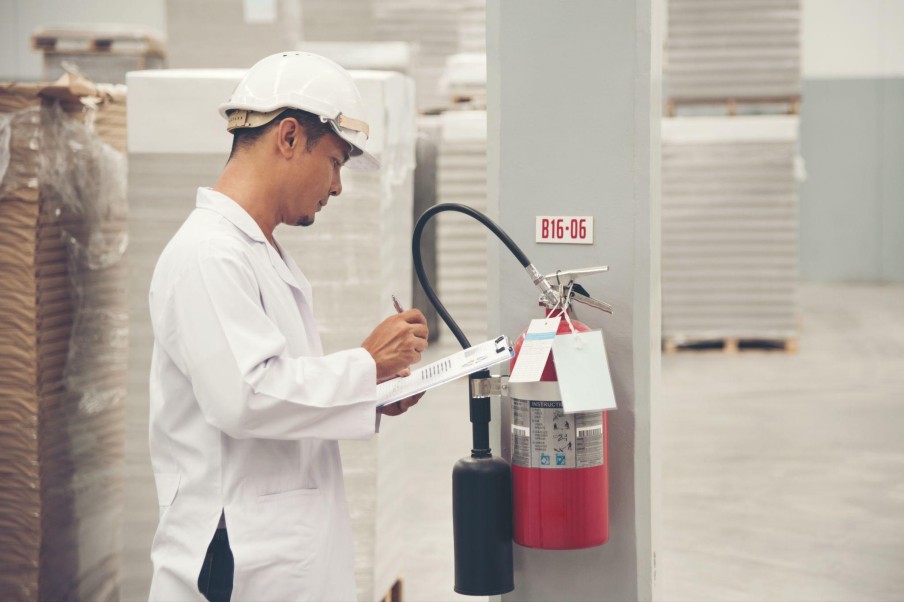
Manufacturing plants and large warehouses often contain a mix of different fire hazards. From the wooden pallets used for storage to the lubricants used in heavy machinery, the risk profile is diverse. A foam fire extinguisher from a reliable fire extinguisher provider in Singapore provides a robust solution for these large-scale environments. In a warehouse where paper and cardboard packaging are prevalent, the foam’s cooling effect is vital for penetrating deep into the material and preventing deep-seated embers from reigniting.
In manufacturing, many processes involve coolants or hydraulic fluids that are flammable under certain conditions. The ability of foam to quickly coat large surface areas makes it effective for containing fires that break out on factory floors. Additionally, because foam is visible when applied, it is easier for the operator to see which areas have been covered, ensuring they miss no spots. This visual confirmation is a significant advantage in the high-stress environment of an industrial fire.
4. Schools and Educational Institutions
Schools are unique environments that combine classrooms, science laboratories, and administrative offices. The fire risks range from paper and books in a library to chemicals and flammable liquids in a chemistry lab. Because schools house a high density of people, the safety and visibility of the extinguishing agent are paramount. A foam fire extinguisher is often preferred in schools over powder because it does not create a dust cloud that could obscure exit signs or cause breathing difficulties for children during an evacuation.
The ease of use associated with foam extinguishers also makes them a practical choice for educational settings. They are intuitive to operate, and the clear discharge path allows staff to tackle a fire from a safe distance. By providing effective protection for both Class A and Class B fires, foam units ensure that schools are prepared for the most likely fire scenarios without the need for a confusing array of different extinguisher types in every corridor. This streamlined approach helps simplify fire safety training for school staff.
Conclusion
The foam fire extinguisher remains a cornerstone of fire safety across a variety of sectors due to its multipurpose nature and effective suppression qualities. By bridging the gap between water and chemical agents, it provides a reliable way to manage both solid and liquid fire risks. For industries like hospitality, automotive, manufacturing, and education, the choice of foam is a strategic decision that prioritises both effectiveness and ease of recovery. Investing in the correct foam equipment ensures that your business is prepared for the specific challenges of your industry.
Contact Brave Fire today to arrange a site assessment and ensure your business is fully protected.


